Summary
- If a lump appears in your groin or umbilicus when you strain and if it shrinks when you lie down, it could be a hernia. Other symptoms include discomfort, heaviness and pain.
- Even though some lumps are harmless, you should get any persistent, enlarging, or firm lump checked by a doctor.
- Not all hernias need immediate surgery. Small, asymptomatic hernias may be monitored, but if they are left alone for too long, they may get worse. The danger of monitoring is that your hernia could get incarcerated and become a life-threatening emergency. That’s why most doctors recommend surgery to fix the hernia.
- Depending on your condition, your doctor can guide you on the most suitable approach, whether it’s traditional open surgery or minimally invasive laparoscopic repair.
Noticing a lump in your groin or umbilicus (the naval) can be unsettling, especially if you’re unsure what it means. One common cause is a hernia, which happens when internal tissue or organs push through a weakened spot in the abdominal muscles.
Groin and umbilical hernias are relatively common and may become more noticeable when you stand, cough, or strain. Recognising these signs can help you decide whether hernia treatment or repair may be required.
Common Signs the Lump May Be a Hernia
Hernias can change depending on what you’re doing or how you’re standing. You might notice the lump appearing, shrinking, or shifting in size at different times of the day.
A Bulge That Appears When Standing or Straining
One of the most recognisable signs of a groin or umbilical hernia is a visible or palpable bulge.
You may notice the lump when standing or straining — for example, when lifting something heavy. These actions increase pressure inside your abdomen, which can push tissue through a weakened area of muscle and create the bulge.
The Lump Becomes Less Noticeable When Lying Down
When you lie down, the lump may decrease in size or even disappear. Reduced abdominal pressure allows tissue to move back through the weakened muscle, a common feature of hernias.
Discomfort or Heaviness
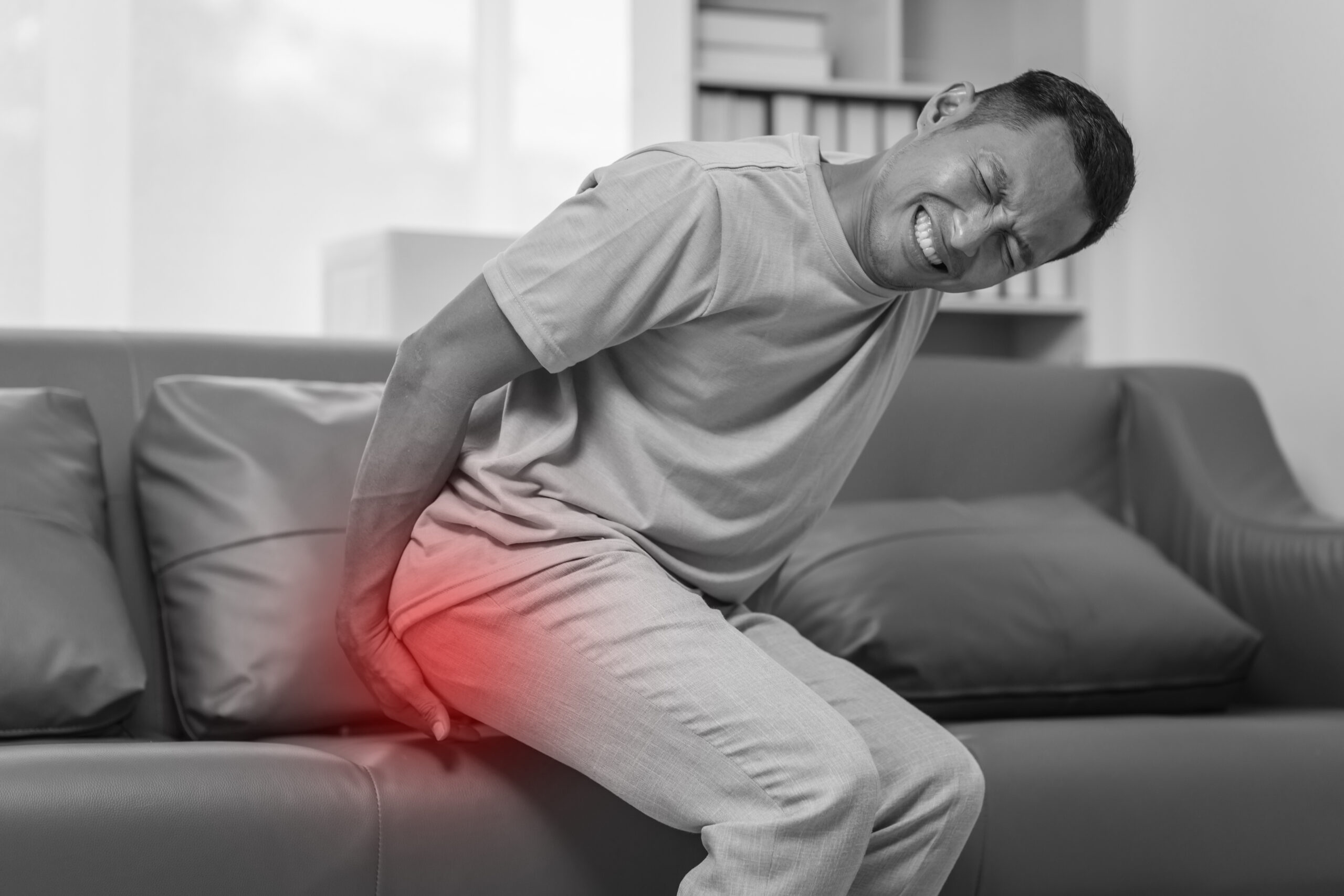
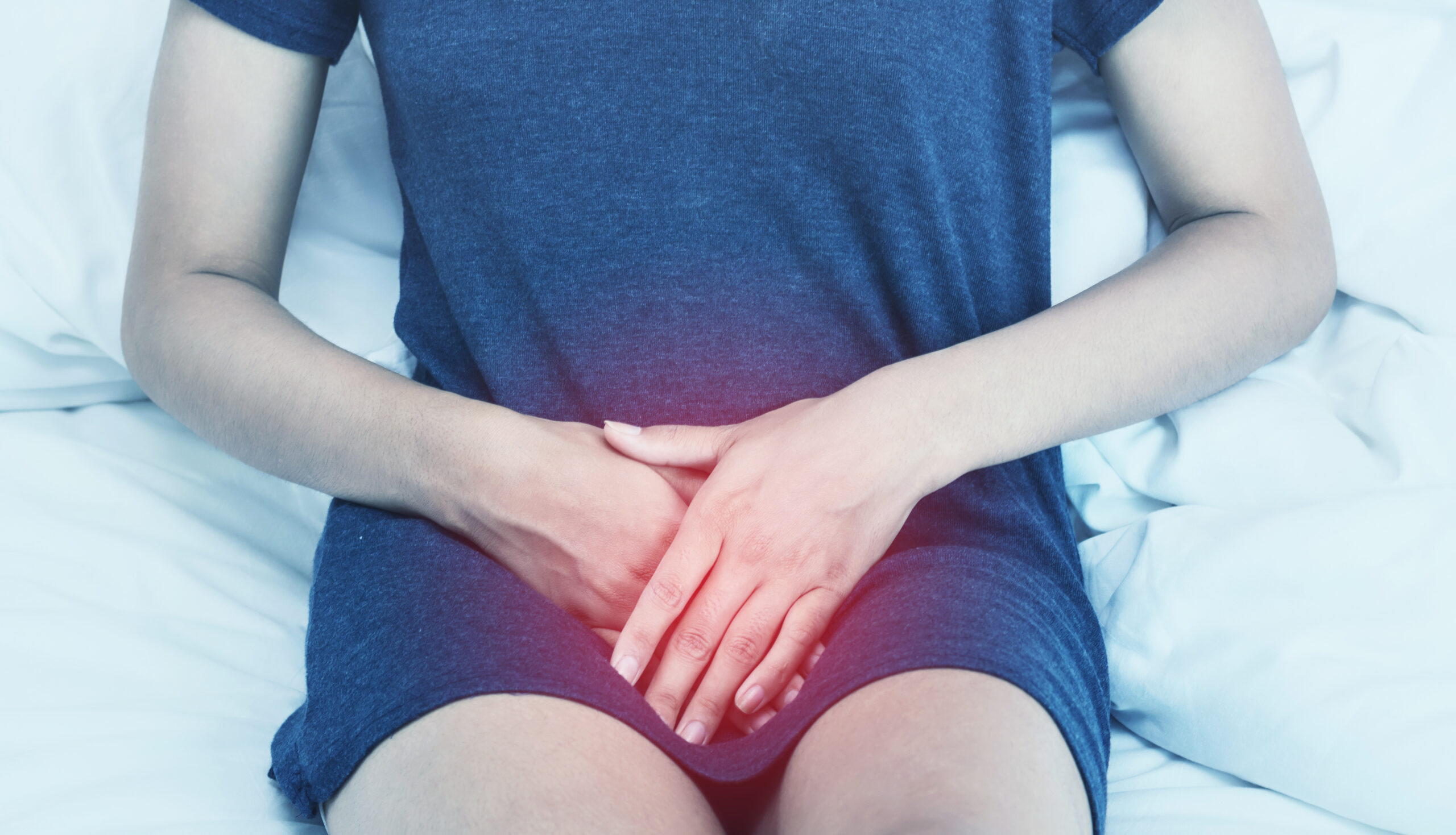
A hernia does not always cause sharp pain. Instead, you may feel a dull ache, pressure, or heaviness in the groin and umbilicus.
If a hernia starts hurting, it usually happens when your abdomen is under pressure. Lifting, coughing, exercising, or straining can trigger a sharp or pulling sensation.
Not Every Lump Is a Hernia
While hernias are a common cause of groin and umbilical lumps, other conditions can also produce similar swelling.
Enlarged Lymph Nodes
Lymph nodes in the groin and umbilicus may enlarge when your body is responding to infection or inflammation.
These nodes can feel like small lumps under the skin and may sometimes be tender. In many cases, they return to normal size once the underlying cause resolves.
Lipomas (Benign Fatty Lumps)
Lipomas are non-cancerous growths made up of fatty tissue beneath the skin.
They usually feel soft, move slightly when pressed, and tend to grow slowly. Lipomas are generally harmless, but you may still want them assessed if they increase in size or become uncomfortable.
Other Groin and Umbilical Conditions
Other issues can also cause lumps in the groin and umbilicus area. These may include cysts, muscle injuries, or other soft-tissue changes.
When to Have a Lump Checked by a Doctor
Some groin and umbilical lumps remain stable and cause minimal symptoms. Others may gradually change in size or start to cause discomfort.
Here are some situations where it may be helpful to see a doctor with expertise in gastrointestinal health to assess the lump and discuss possible hernia treatment or hernia repair in Singapore.
The Lump Persists or Grows Larger
If the lump doesn’t go away or starts getting bigger, you should have it checked. Hernias can gradually enlarge as pressure inside your abdomen continues pushing tissue through the weakened muscle.
Pain Becomes More Noticeable
If pain or discomfort in your groin or umbilicus becomes more frequent or more intense, it may suggest that the hernia is worsening. A doctor can help identify the cause and determine whether treatment is needed.
The Lump Cannot Be Pushed Back In
Some hernias can be gently pushed back into the abdomen, especially when you lie down. If the lump becomes firm and cannot be pushed back, the tissue may be trapped and should be assessed by a doctor.
Nausea, Vomiting, or Severe Pain Occurs
If your lump is accompanied by severe pain, nausea, vomiting, or abdominal swelling, you should seek medical attention promptly.
These symptoms may indicate that the hernia is affecting part of the intestine or restricting blood flow.
Worried about a groin or umbilical lump? Struggling with discomfort? Contact Dr Bernard Lim today to get a clear diagnosis and hernia treatment plan.
Do All Hernias Require Surgery?
Not every hernia requires immediate surgery, but many eventually need repair to prevent symptoms from worsening.
When Monitoring May Be Considered
If the hernia is small and not causing significant symptoms, monitoring may sometimes be considered.
However, if left alone, a hernia will either stay the same or get worse with time. It will not go away if left alone, and there is no medication to treat it. The danger of monitoring is that the hernia may get incarcerated and become a life-threatening emergency. Hence, the doctor would usually recommend surgery to fix the hernia.
If a patient is not keen on immediate surgery, your doctor may recommend periodic reviews to check whether the hernia changes in size or begins to cause discomfort.
When a Hernia Repair Is Recommended
Surgery is often recommended when the hernia becomes painful, increases in size, or interferes with daily activities.
Repairing the hernia closes the weakened muscle area and helps prevent tissue from protruding again.
Open vs Laparoscopic Hernia Surgery
Hernia repair can be performed using different surgical approaches, with the right option depending on the type of hernia and your overall health condition.
Open Hernia Surgery
- A single incision is made directly over the hernia.
- The surgeon accesses the weakened muscle to repair and reinforce the abdominal wall.
- Provides a direct view of the hernia, which may be helpful for certain types or larger hernias.
- You might experience more initial discomfort, and the early healing period can be longer than with smaller-incision approaches.
Laparoscopic Hernia Surgery
- Several small incisions are made in the abdomen.
- Specialised instruments and a camera are used to repair the hernia from inside the abdominal wall.
- With smaller incisions, you may notice minimal scarring and a faster return to your usual routines.
Both approaches aim to return the protruding tissue to its proper position, strengthen the abdominal wall, and reduce the likelihood of the hernia returning.
During your consultation, your surgeon will assess your groin or umbilical lump, explain the surgical options, and help you understand whether hernia treatment or hernia repair in Singapore is appropriate for your situation.
Do You Need a Hernia Repair in Singapore? Start with an Assessment for Your Lump
If you have noticed a lump in your groin or umbilicus, talking to a specialist can give you the peace of mind you need.
In Singapore, Dr Bernard Lim will assess your lump, determine if it’s a hernia, and guide you through treatment options—ranging from monitoring and lifestyle adjustments to surgical repair if needed.