Summary
- A positive stool test means blood was detected in your stool, but it doesn't necessarily indicate colorectal cancer.
- Haemorrhoids, bowel inflammation, polyps and colorectal cancer are possible causes of a positive FIT result.
- After a positive result, you should arrange a medical consultation, even if you have no symptoms.
- A colonoscopy is usually recommended to identify the cause of bleeding.
- Your colonoscopy findings will determine whether you need further monitoring, polyp removal or treatment.
A positive stool test result can be worrying, particularly if you feel well and have no noticeable symptoms. Although the cause is not always serious, it is important to find out what led to the result.
This guide explains what a positive FIT test result means, why further investigation may be needed and what to expect next in Singapore.
What Does a Positive Stool Test Result Mean?
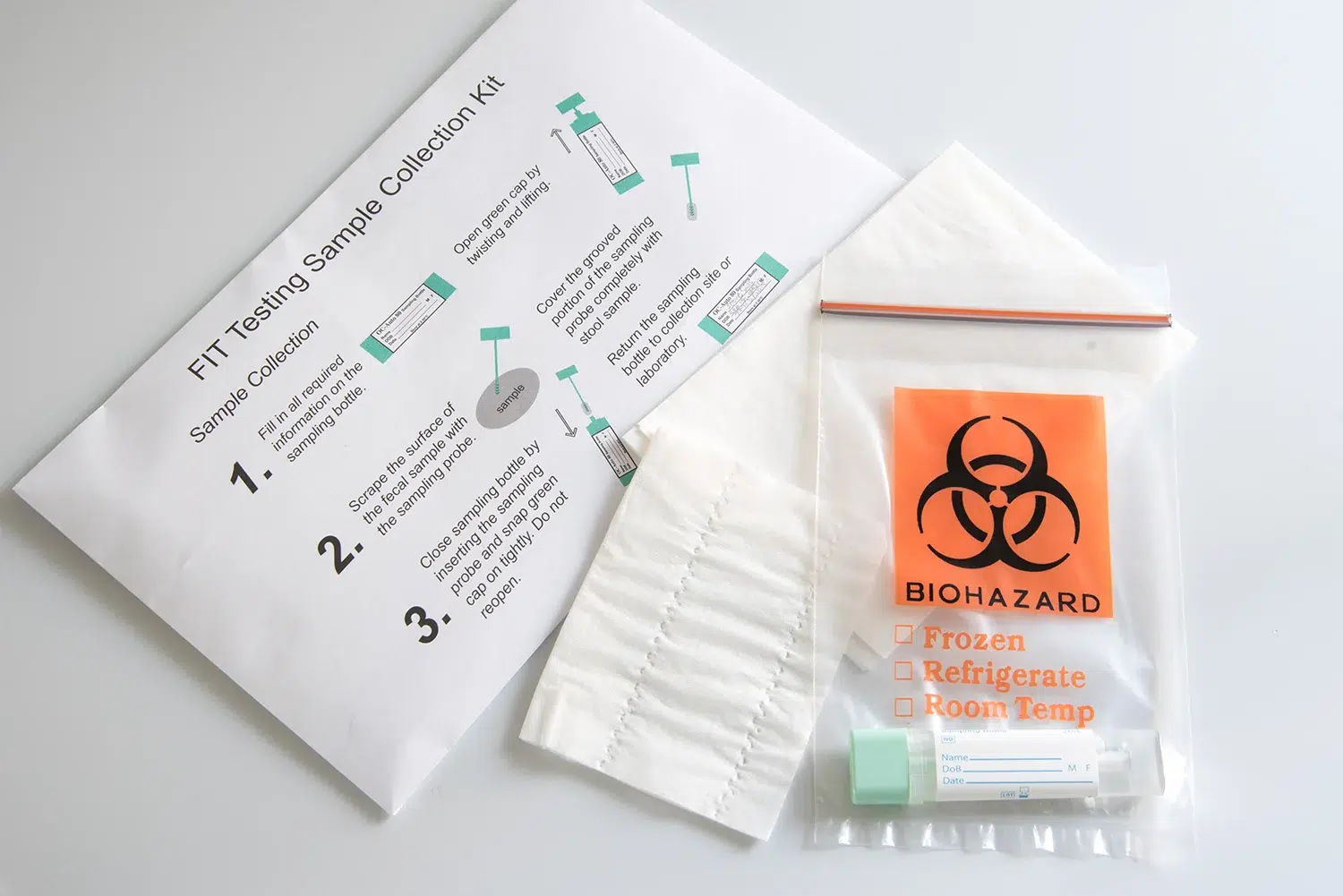
A faecal immunochemical test (FIT) checks for small amounts of blood in your stool that you may not be able to see. It is a colon or colorectal cancer screening test commonly used in Singapore.
If your FIT result is positive, it means blood has been detected. However, the test cannot show where the bleeding is coming from or what is causing it.
There are several possible reasons for abnormal stool test results, including conditions other than cancer. Further investigation is needed to identify the cause.
What Can Cause a Positive FIT Test?
Possible causes include:
- Haemorrhoids (piles): Swollen blood vessels around the anus or lower rectum that can bleed, particularly during bowel movements.
- Anal fissures: Small tears in the lining of the anus that can cause pain and bleeding during bowel movements.
- Colorectal polyps: Growths in the lining of the colon or rectum. While many are benign, certain types can develop into cancer over time.
- Bowel inflammation: Conditions such as ulcerative colitis can cause inflammation and bleeding from the intestinal lining.
- Colorectal cancer: Tumours in the colon or rectum may bleed intermittently, sometimes without causing noticeable symptoms.
A positive result does not always indicate a serious bowel condition. However, even if you have haemorrhoids, the bleeding could also come from another condition, such as a colorectal polyp.
What Should You Do After Receiving a Positive Stool Test Result?
Contact a colorectal specialist once you receive your result. You do not need to wait until you notice blood in your stool or develop bowel symptoms.
The usual next steps after a positive FIT test are:
- Discussing your result: Your colorectal specialist will review your medical history, previous screening results, family history and any bowel symptoms.
- Arranging a colonoscopy: This is generally the recommended investigation following a positive FIT result.
- Following the appointment instructions: Attend the recommended investigation rather than repeating FIT or waiting for another screening round.
- Mentioning any new symptoms: Tell your specialist if you notice rectal bleeding, changes in bowel habits, abdominal discomfort or unexplained weight loss.
How Soon Should You Arrange a Colonoscopy?
A positive FIT result is not usually an emergency, but you should arrange a colonoscopy as soon as possible after receiving it. Waiting too long for a follow-up colonoscopy may increase the risk of colorectal cancer being diagnosed at a later stage.
Your colorectal specialist will advise you on when to have the procedure, taking into account your symptoms and medical history. Let them know if you take blood-thinning medication or have other health conditions. Do not stop taking any prescribed medication unless your doctor advises you to.
If you experience heavy rectal bleeding, fainting or severe abdominal pain, seek urgent medical attention instead of waiting for your appointment.
Dr Bernard Lim can review your findings and advise you on arranging a colonoscopy in Singapore. Contact us to schedule a consultation.
Worried About a Colonoscopy?
It is understandable to feel apprehensive about having a colonoscopy, particularly when you have no symptoms.
Your specialist will explain what the procedure involves, the available sedation options and the risks and benefits relevant to your circumstances.
You will also receive instructions for colonoscopy preparation, which involves clearing your bowel so the lining can be examined properly.
Although colonoscopy carries risks, including bleeding and bowel perforation, serious complications are uncommon. These can be discussed during your consultation before you decide whether to proceed.
What Happens After Your Colonoscopy Results?
Your specialist may discuss the initial findings with you after the procedure. If tissue samples or polyps were removed, you may need to wait for laboratory results before confirming the next steps.
What If Your Colonoscopy Is Normal?
If your colonoscopy is normal, it means your specialist did not find any significant abnormalities. They will check whether your bowel was examined thoroughly before deciding if you need further tests.
If no further investigation is needed, your specialist will advise you on when to have your next screening based on your medical history and risk factors.
What If Polyps Are Found?
Finding a polyp does not necessarily mean you have cancer. Most polyps are non-cancerous, although some can develop into cancer over time.
If your specialist removes a polyp, they will send it to a laboratory for testing. The results, along with the number and size of the polyps, will help determine when you should have your next colonoscopy.
What If Cancer Is Diagnosed?
Not everyone with a positive FIT result will require cancer-related investigations or treatment. However, if colorectal cancer is confirmed, further tests may be needed to determine its location and stage.
These may include imaging scans and blood tests. Your specialist will explain the findings and discuss suitable treatment options.
Depending on the diagnosis, treatment may involve colorectal cancer surgery, chemotherapy, radiotherapy or a combination of approaches.
Frequently Asked Questions
Does a positive FIT test mean I have colon cancer?
No. FIT detects blood in your stool, not cancer cells. Bleeding can have several causes, and a colonoscopy is usually needed to identify the source.
Can haemorrhoids cause a positive stool test?
Yes. Haemorrhoids can bleed and contribute to a positive result. However, having haemorrhoids does not rule out polyps or other bowel conditions, so further investigation remains important.
Should I repeat my FIT test if it is positive?
Generally, no. Bleeding can occur intermittently, meaning a second FIT could be negative even when an underlying condition is present. A repeat test should not replace the recommended colonoscopy.
Do I need a colonoscopy if I have no symptoms?
Usually, yes. Some bowel conditions, including colorectal polyps and early colorectal cancer, may not cause noticeable symptoms. A positive FIT result should therefore be investigated even if you feel well.
Discuss Your Positive Stool Test Result With Dr Bernard Lim
If you have received a positive FIT result, you should find out what may be causing the bleeding and whether you need a colonoscopy. Even if you feel well, it is important to follow up on your result.
Dr Bernard Lim provides colorectal consultations and colonoscopy services in Singapore. He can review your results, medical history and symptoms, advise on the next steps, and address any concerns about colonoscopy.
Contact Dr Bernard Lim Specialist Surgery to arrange an appointment.