Summary
- Groin pain that appears when you cough, lift, or exercise may be linked to increased abdominal pressure and could indicate a hernia, especially if symptoms keep recurring.
- Hernia-related pain often feels like pressure, pulling, or heaviness in the groin and may be associated with a soft bulge that becomes more noticeable during activity.
- Not all groin pain is caused by a hernia, with other common causes including muscle strain, sports injuries, infections, or hip and nerve-related conditions.
- Persistent or worsening symptoms, especially those affecting daily activities or accompanied by nausea or swelling, should be assessed by a specialist.
If you are noticing groin pain when lifting or discomfort that comes and goes with movement, it is important to understand what is driving these symptoms rather than just managing them temporarily.
While it can sometimes be due to muscle overuse, recurring pain with activity may also point to an underlying hernia that should not be overlooked. If that is the case, you may need to consider treatment options such as hernia repair in Singapore.
Keep reading to learn more about why your groin may be hurting and what to do about it.
Why Can Groin Pain Happen During Coughing, Lifting, or Straining?
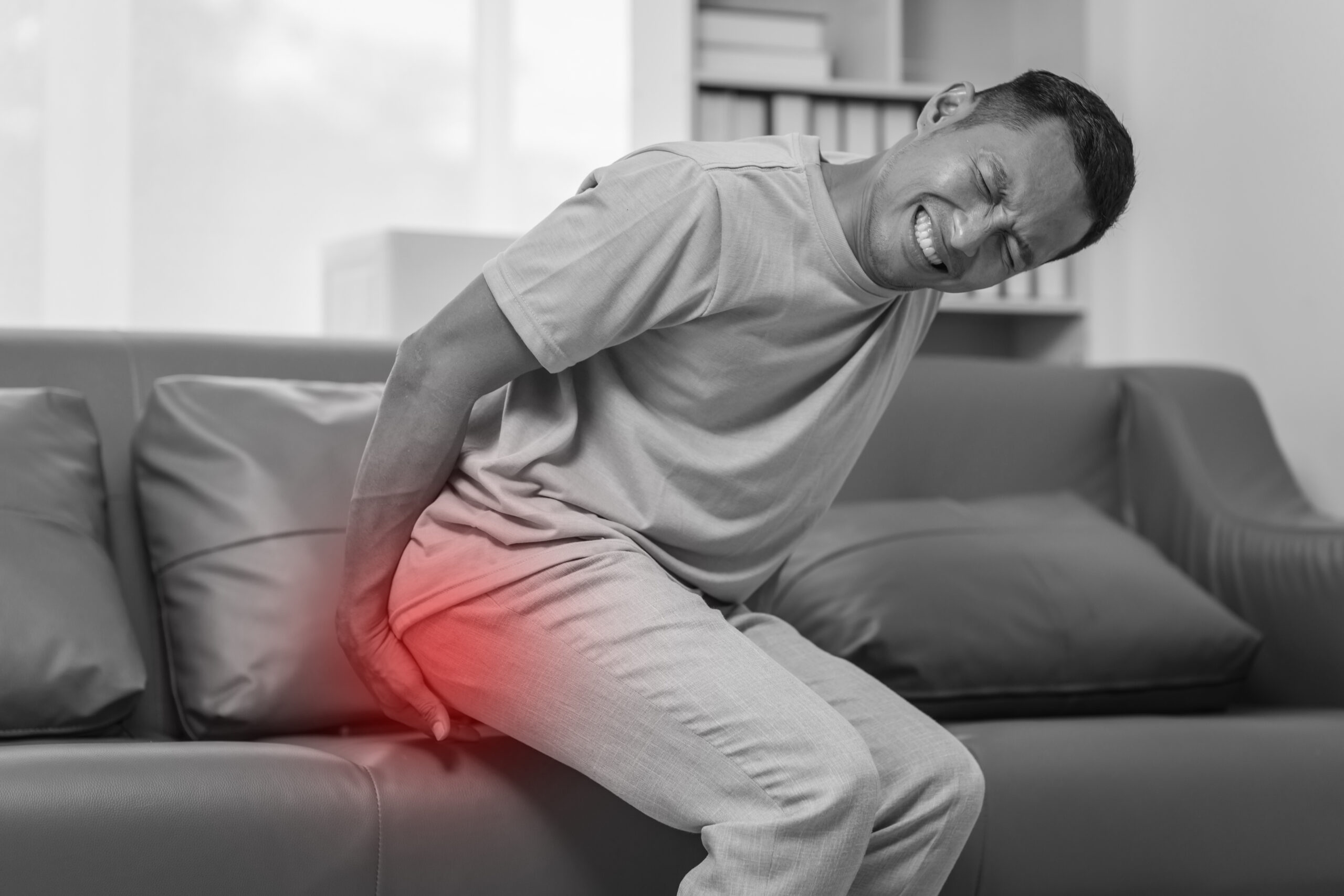
Groin pain that appears when you carry out certain motions or activities, such as coughing, lifting, straining, or exercising, is usually related to increased pressure inside the abdomen.
How Increased Abdominal Pressure Affects the Groin
Abdominal pressure increases whenever the body has to push against resistance, such as during coughing, lifting, straining during bowel movements, or intense exercise. This happens because the abdominal muscles tighten to stabilise the body and support movement.
When this pressure rises, it is distributed across the abdominal wall. If there is a naturally weaker area in the groin region, that force can push against it more directly. Over time, this can lead to discomfort or pain in the groin.
Why Exercise and Heavy Lifting Can Trigger Symptoms
Pain in the groin when exercising is often due to repeated loading of the lower abdominal and groin muscles, especially with movements that involve core engagement, twisting, or sudden force. This repeated stress can irritate soft tissue and make existing weakness more noticeable.
In some cases, this ongoing strain may allow a hernia to start forming or become more apparent, particularly during heavy lifting or high-intensity activity.
What Does Hernia-Related Groin Pain Feel Like?
Hernia-related groin pain associated with a lump can vary from a mild ache to a more noticeable pulling or pressure sensation. It often becomes more obvious during physical activity and may improve with rest.
Here are some common symptoms associated with a hernia:
Pain, Pressure, or Pulling Sensations with a lump in the Groin
Hernia symptoms often include pain, dull ache, pulling sensation, or pressure in the groin area. These may worsen when standing, coughing, or lifting.
Heaviness or Discomfort During Activity
If you have a hernia, you may often feel a dragging or heavy sensation in the groin, especially after physical activity. This may ease when resting, but tends to return with movement.
What a Hernia Lump May Feel Like
A hernia may present as a soft bulge in your groin that you may notice more clearly when you are straining, coughing, or lifting. In the early stages, you may find that it becomes less visible or disappears when you lie down.
If you are experiencing groin pain or discomfort and are unsure if it is a hernia, we can help clarify the cause. Make an appointment with Dr Bernard Lim, Senior Consultant General & Colorectal Surgeon in Singapore, today.
What Else Can Cause Groin Pain?
A hernia does not always cause groin pain. It can also come from muscle strain, joint or nerve issues, or even infections.
Condition | How It Feels | Key Clues |
Muscle Strain and Exercise Injuries | Sharp pain, tenderness, or discomfort during movement | Often starts after lifting, sports, or sudden movement |
Sports Hernia (Athletic Pubalgia) | Chronic groin pain without a visible lump | Worse with twisting, sprinting, or repetitive sports activity |
Swollen Lymph Nodes or Infection | Localised tenderness or soreness in the groin | May occur with fever or signs of infection in the body |
Hip, Nerve, or Urinary Conditions | Aching, burning, or referred pain to the groin | May come with reduced hip movement or urinary symptoms |
When Should You See a Hernia Specialist for Groin Pain?
You should not ignore groin pain that persists or worsens over time. A hernia specialist in Singapore can help you assess your groin pain and rule out an underlying hernia or other conditions.
Visible Lump or Bulge in the Groin
A lump that becomes more noticeable when coughing, lifting, or straining should be checked, as it could indicate an underlying hernia. If left untreated, it may gradually enlarge, become more uncomfortable, and start to interfere with daily activities.
Worsening or Persistent Pain
If groin pain continues, becomes more frequent, or intensifies despite rest, it may suggest an underlying hernia that is progressing. In some cases, this can mean the condition is becoming more difficult to manage without medical treatment, and delaying assessment may increase the risk of complications.
Nausea, Vomiting, or Abdominal Swelling
If you experience nausea, vomiting, or abdominal swelling along with groin pain, this may indicate that the hernia is affecting the bowel or becoming trapped. This is a more serious situation that requires urgent medical assessment to prevent further complications.
Pain That Interferes With Daily Activities
When groin pain starts to affect your ability to walk, exercise, or carry out normal daily movements, it suggests the condition is no longer mild. At this stage, it can significantly impact your quality of life and should be reviewed by a doctor as soon as possible.
What Should You Do if Your Groin Pain Does Not Improve?
If you have persistent groin pain, you should have it assessed by a hernia specialist as soon as possible.
If a hernia is detected early, it can be treated using minimally invasive techniques, which may mean smaller cuts, less discomfort, and a quicker recovery. In more complex cases, open surgery may be needed. Both approaches aim to repair the weakness in the abdominal wall and prevent the hernia from recurring.
In Singapore, Dr Bernard Lim, Senior Consultant General & Colorectal Surgeon at Bernard Lim Specialist Surgery, provides careful assessment of groin pain to determine if it’s due to a hernia. He also offers tailored treatment options, including minimally invasive hernia repair procedures, aimed at effective long-term relief.